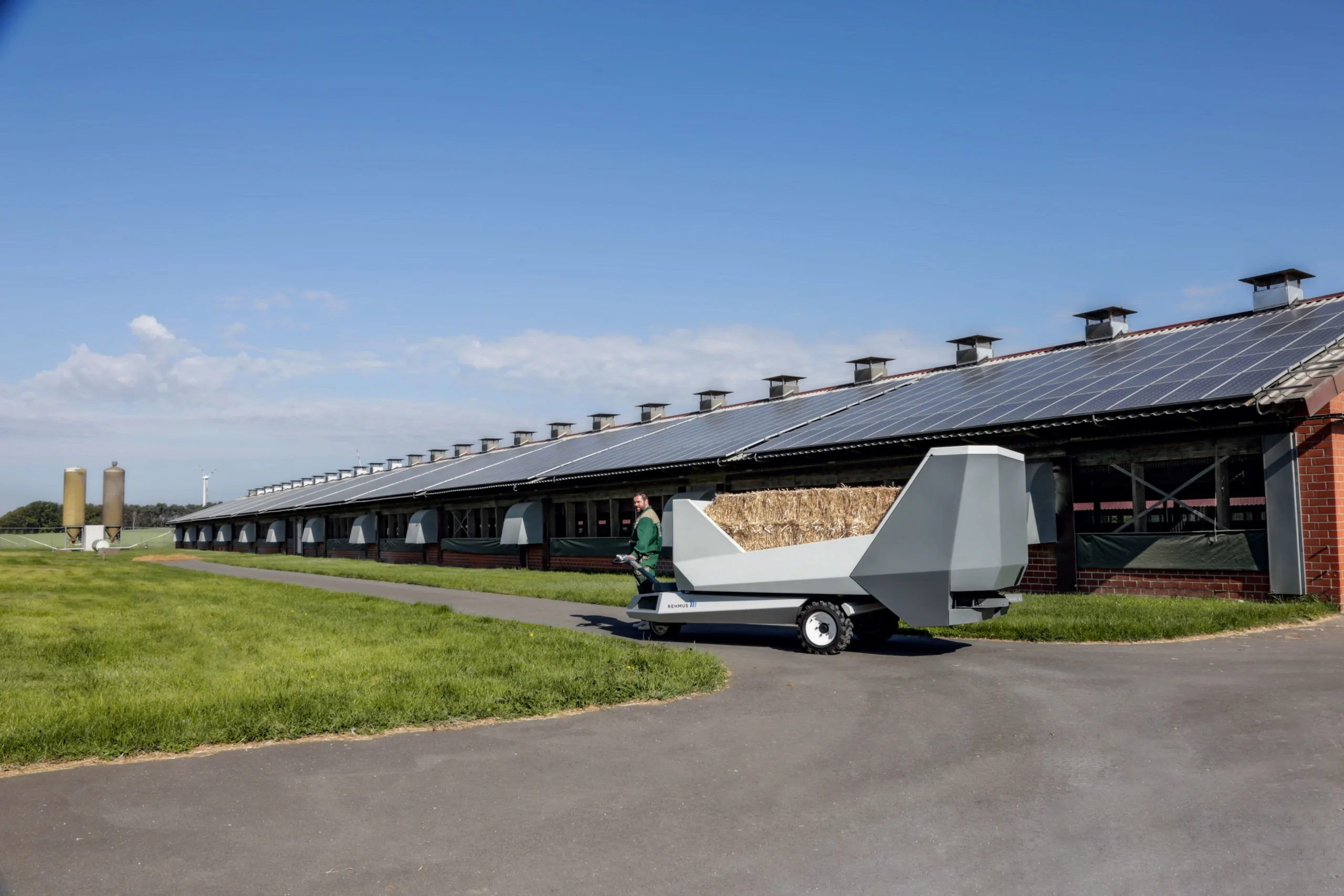
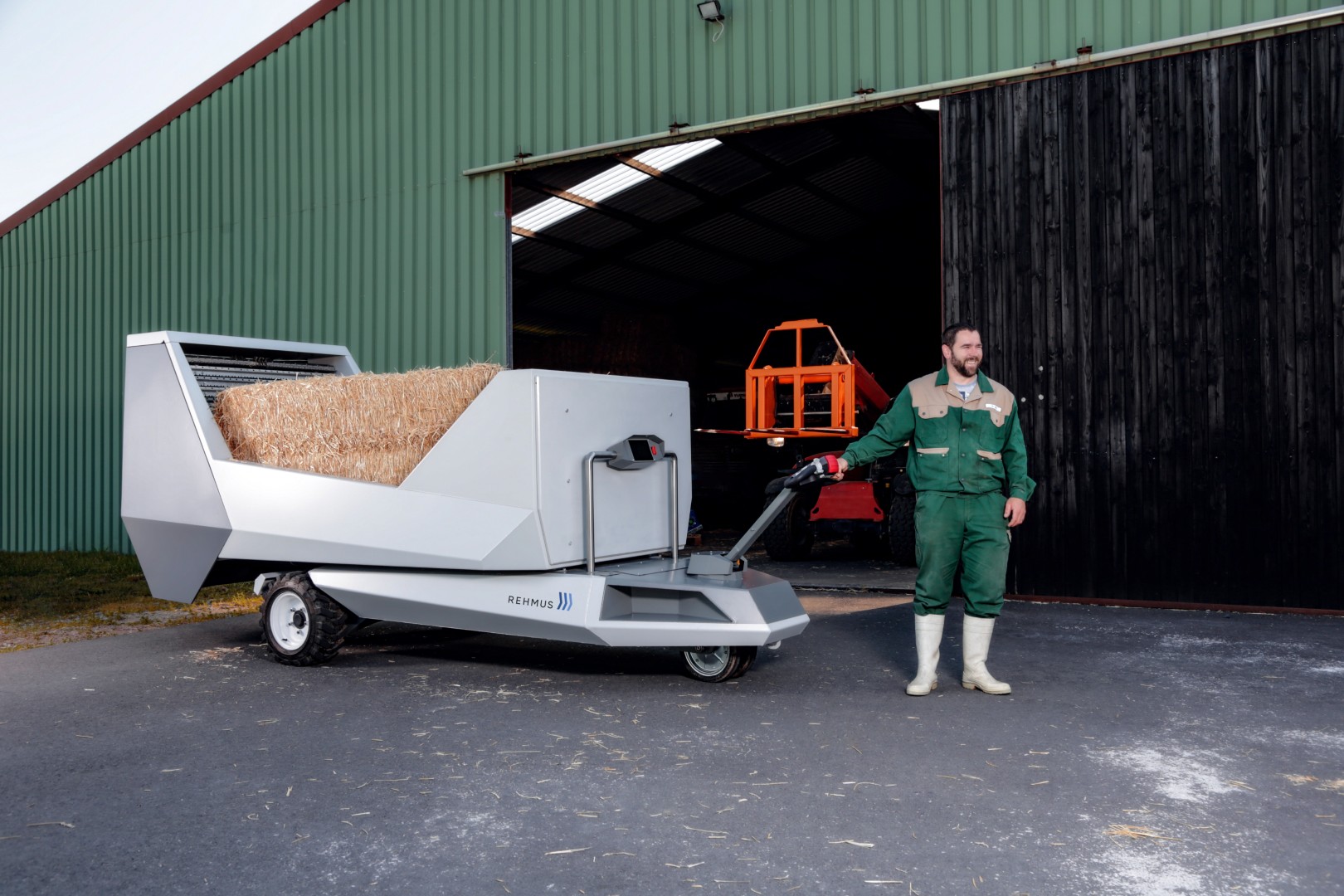
Together with Rehmus, we developed battery-powered, modular agricultural machinery for use in the agricultural sector.
Ideation Process
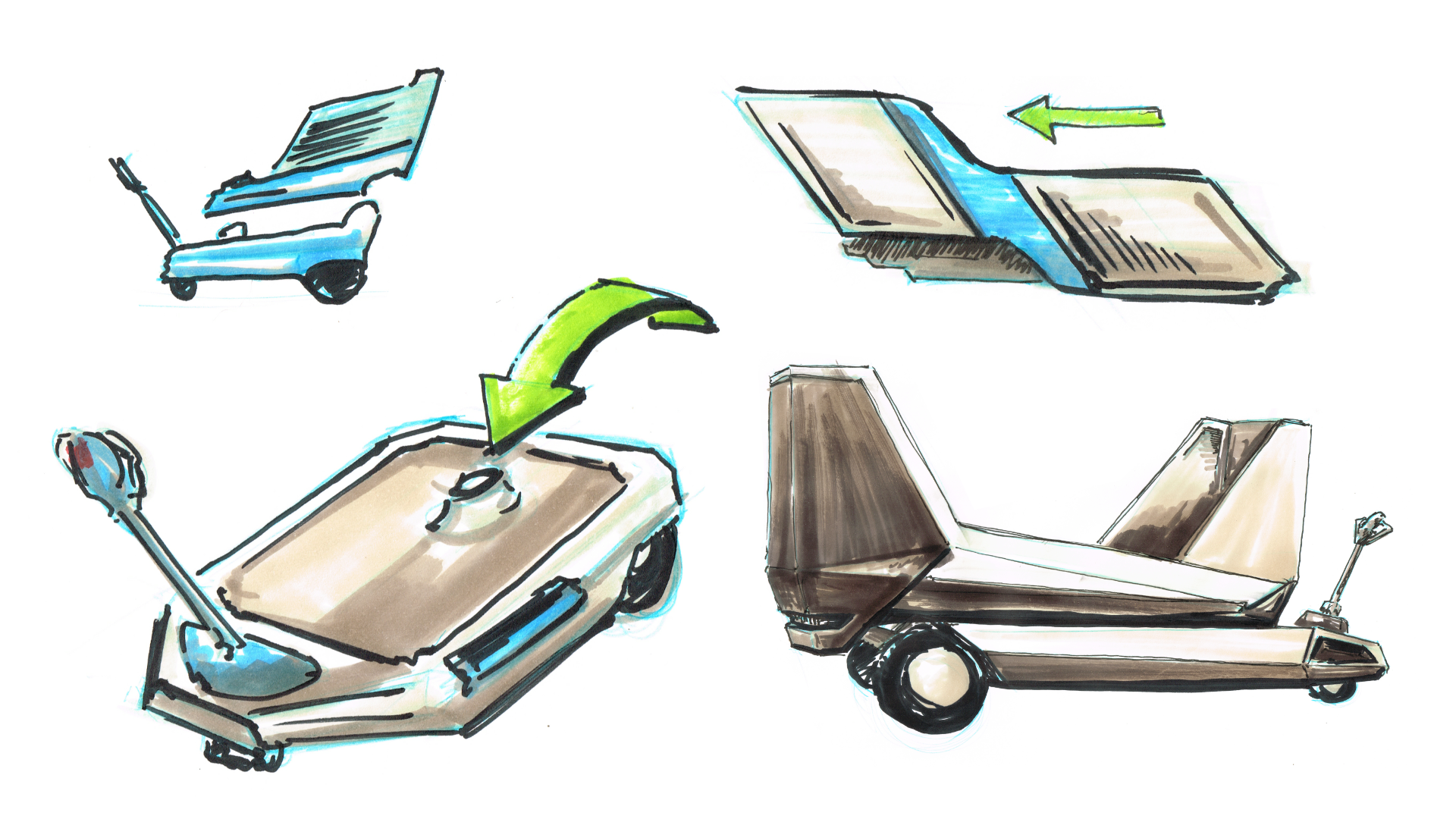
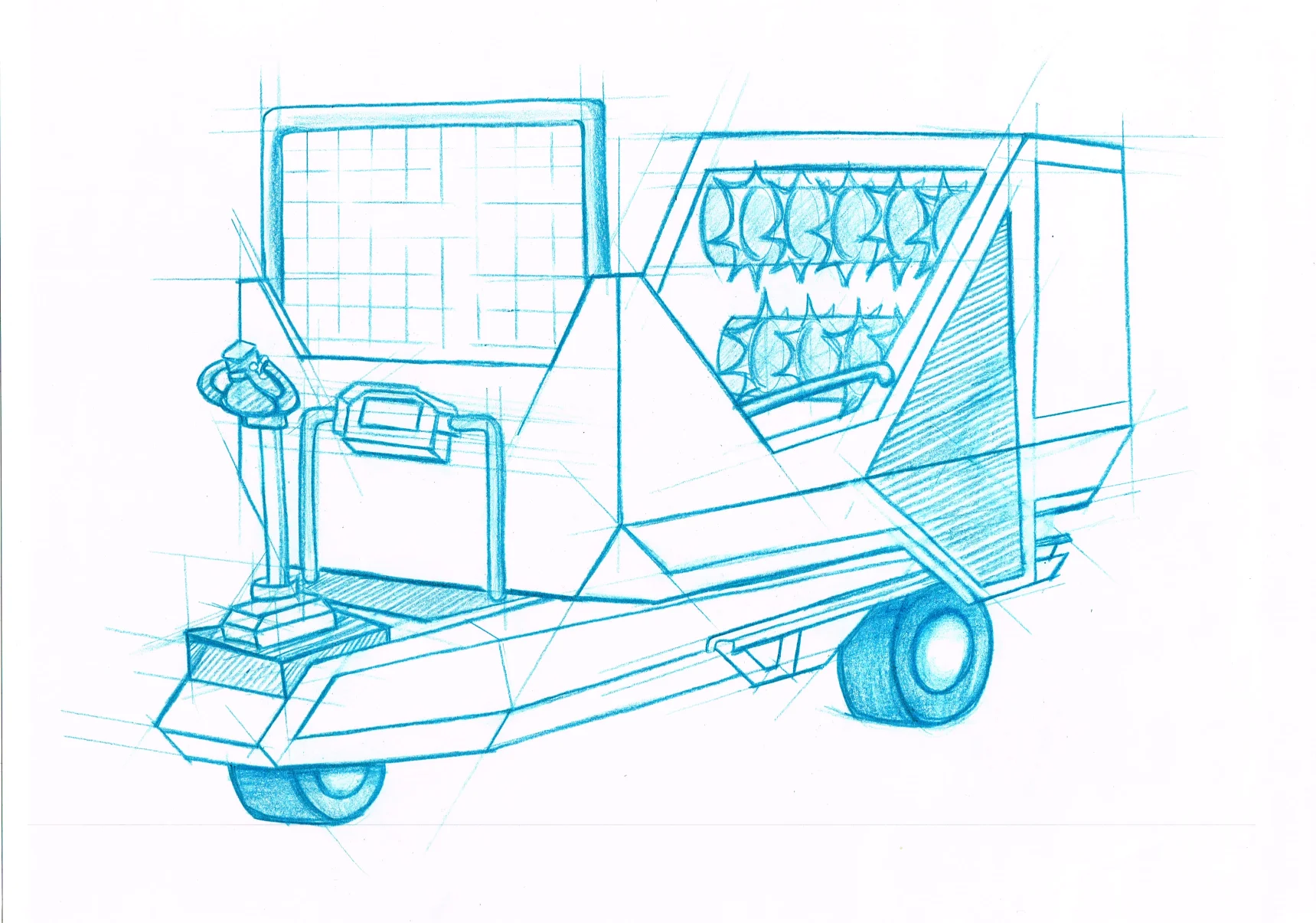
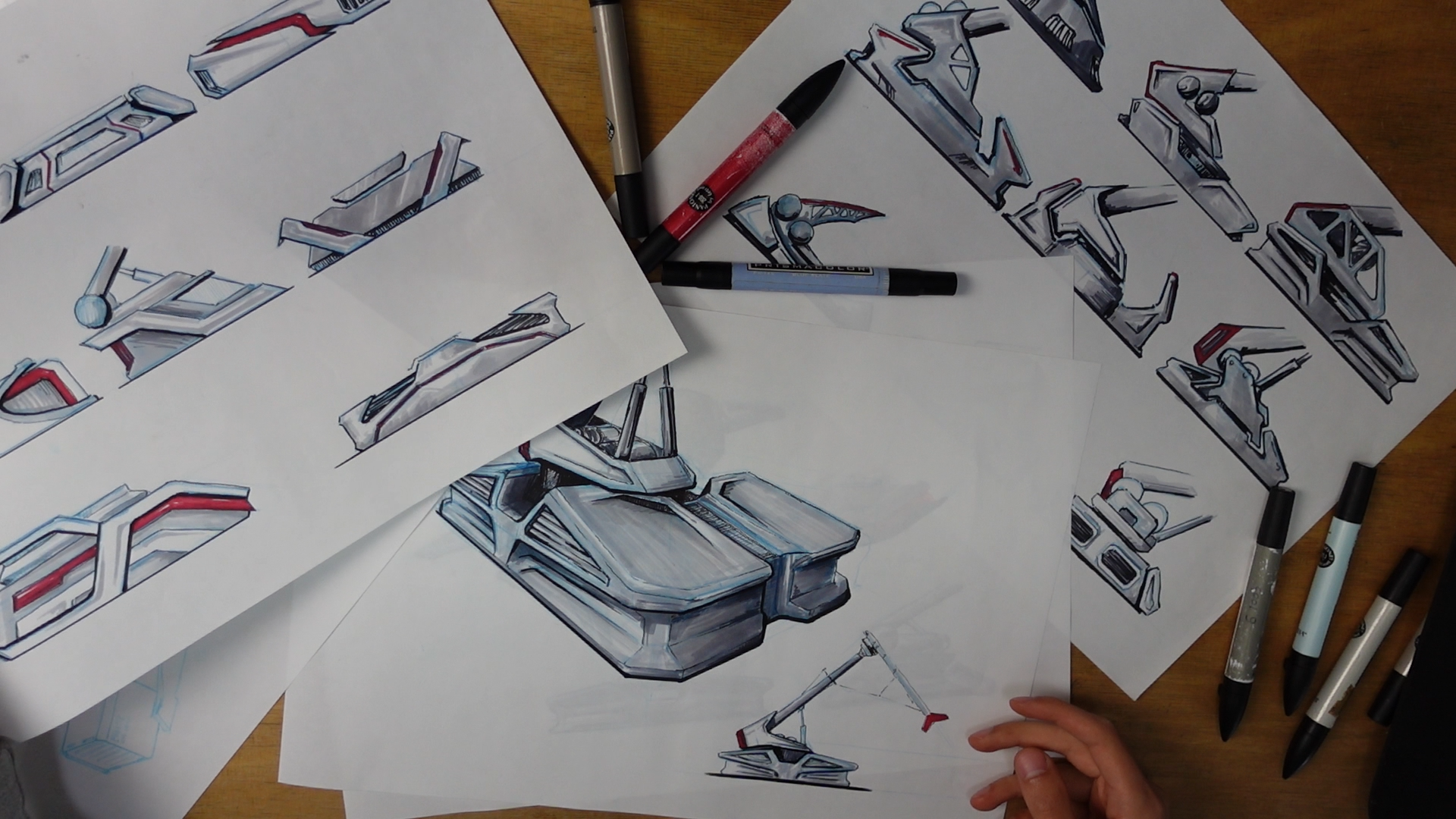
The first steps in developing a multifunctional device involve an intensive phase of brainstorming, sketching and experimentation. The aim is to explore the ideal interactions and functions in combination with the form. Together with the client, we define the key principles and objectives to ensure that we understand how the device is to be used, perceived and expanded in the future. These insights are incorporated into a series of design studies in which form, function and modularity merge into a coherent whole, forming the basis for subsequent product development.
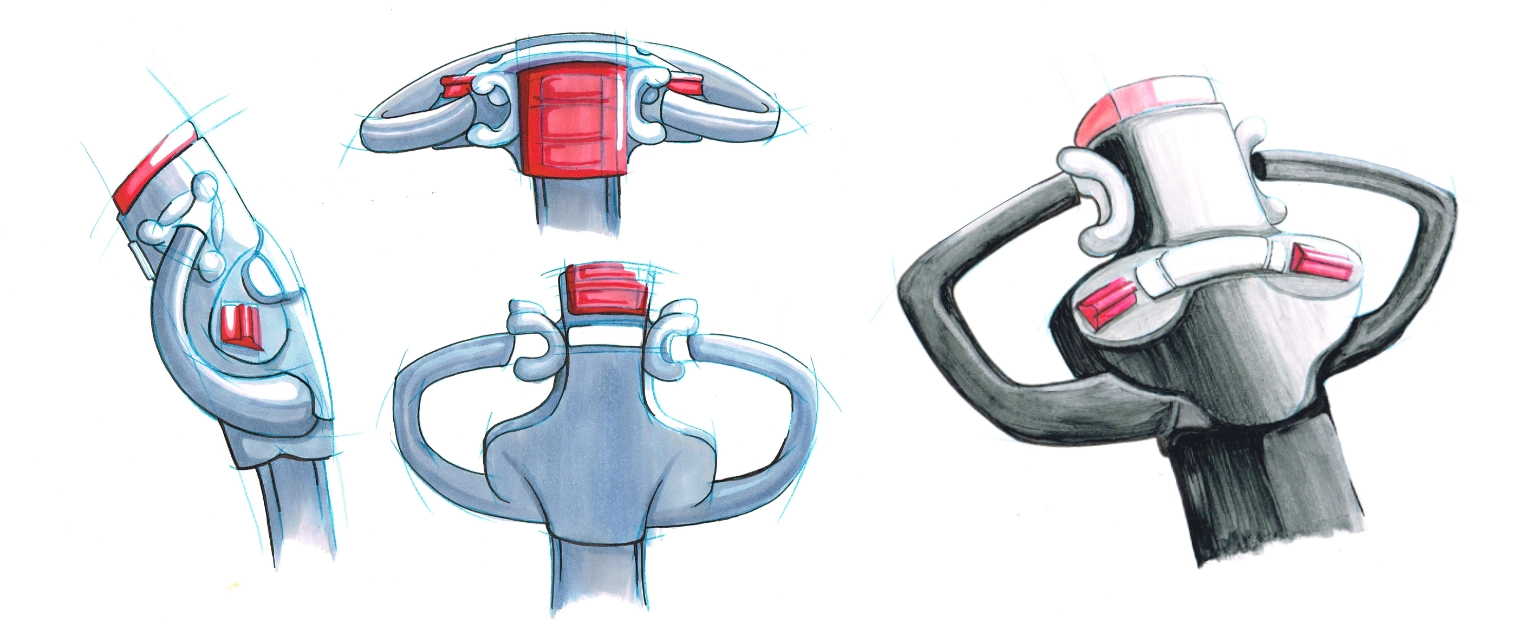
Control concepts
Defined form examinations
Software Preview
Renderd Image
Function concept for the e-Spreader
3D Design Process
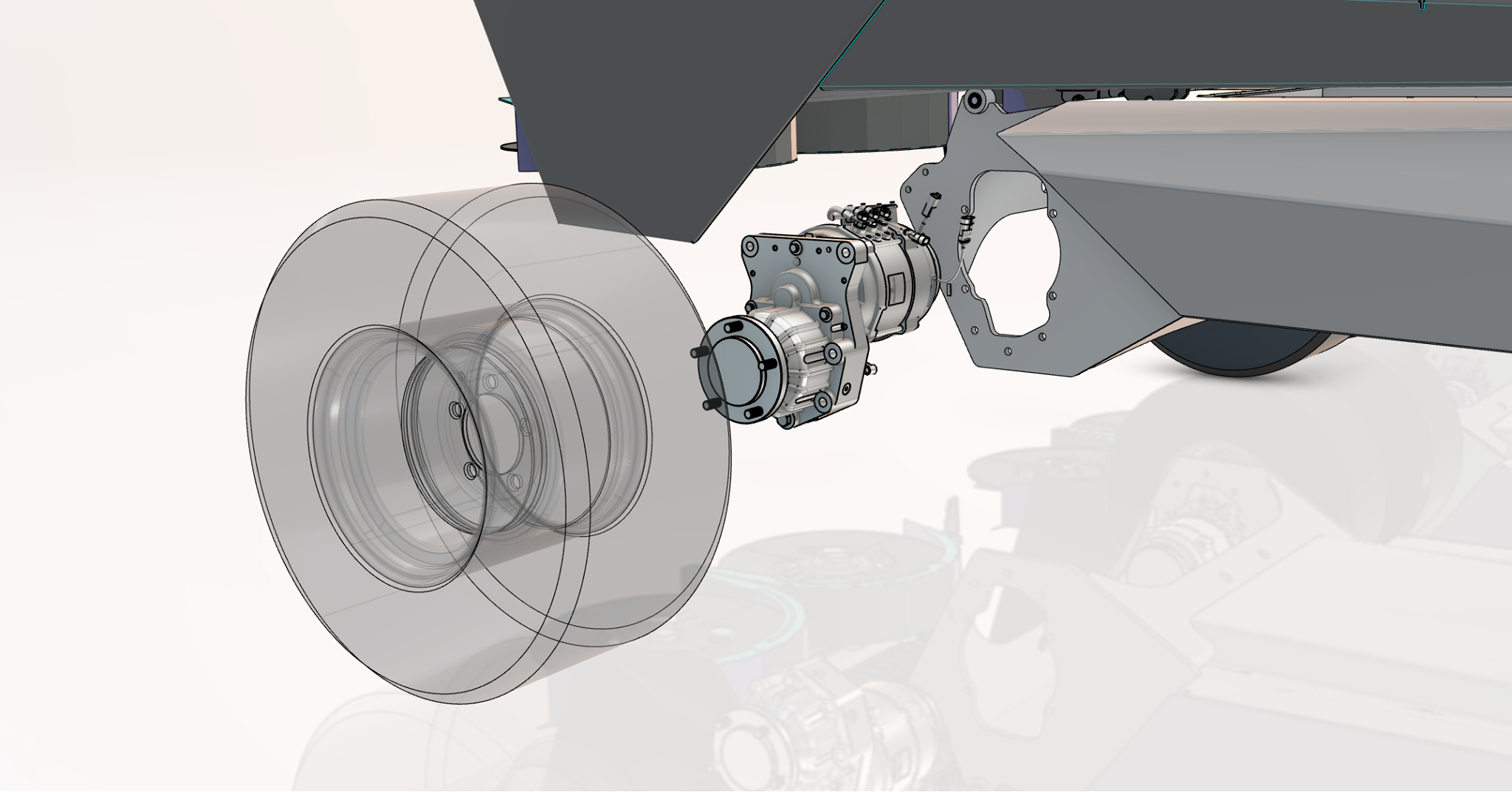
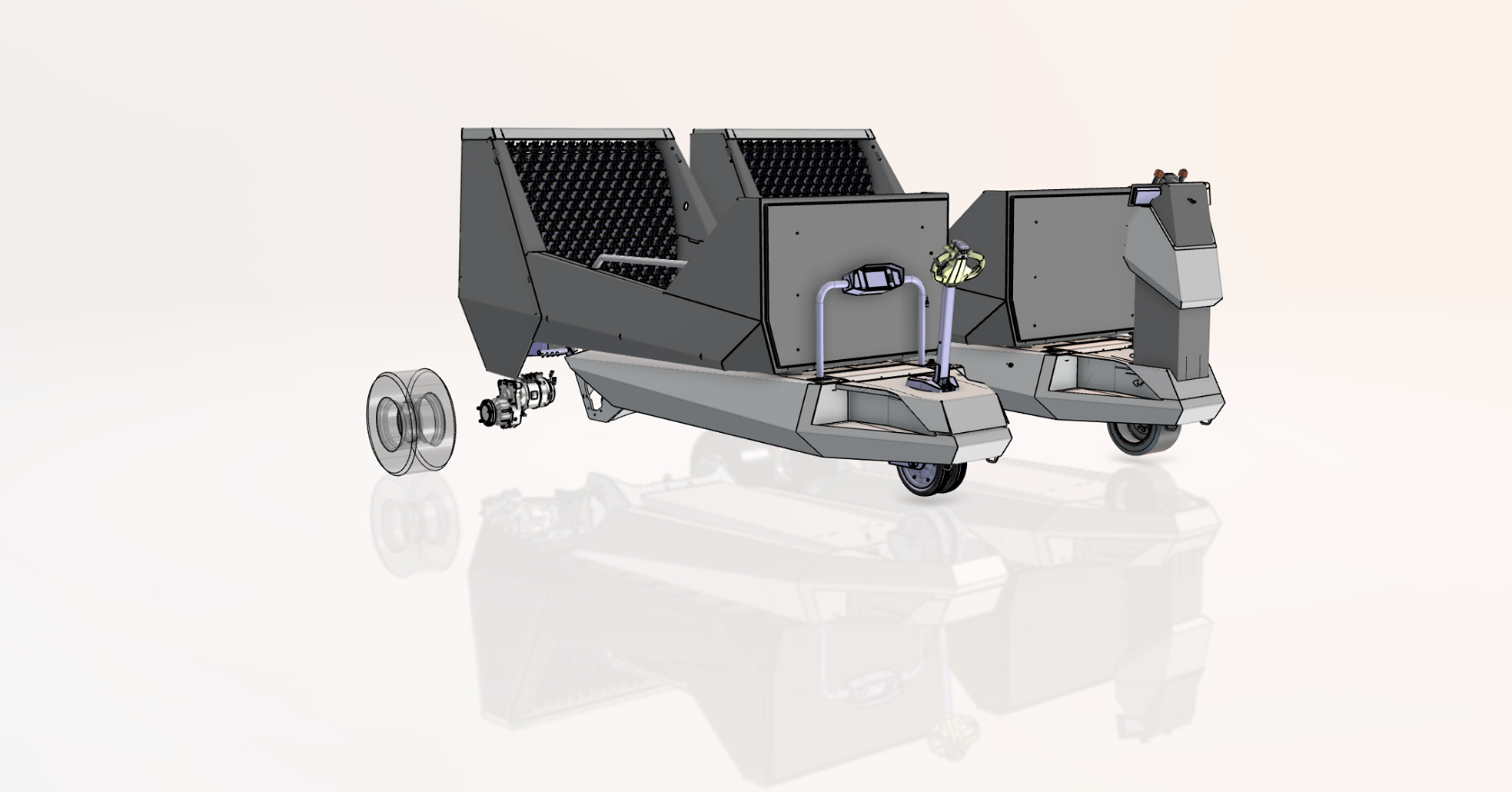
Once the formal language has been established and the practical points of interaction clearly defined, the design process moves into the 3D phase. In this phase, the concept takes concrete shape through detailed CAD modelling. We refine the overall form to evaluate proportions, ergonomics and visual balance, whilst also testing how the design performs under real-world conditions. This includes, amongst other things, assessing the manufacturability of all assemblies, determining the optimal material thicknesses and defining standard parts. The transition to the 3D phase bridges the gap between the creative intent and the semantic communication objectives on the one hand and engineering on the other, and through this process translates conceptual ideas into production-ready forms.

Control handle
Da dies der wichtigste Interaktionspunkt des gesamten Produkts ist, muss die Bewegung des Rehmus-Transporters so natürlich wie möglich sein. Der Benutzer muss intuitiv verstehen, welche Bewegung des Sticks welche Bewegung des Transporters auslöst.
Modular and flexible
The Rehmus system has a modular design and can therefore be easily expanded with new attachments. This allows the user to select the right attachment for every task and use a single main tool for years to come. Rehmus works closely with users to plan and develop future attachments, ensuring that the system can continue to grow and adapt to new requirements. This results in a broader range of applications and keeps the product open to further improvements.